How to Select the Perfect Grease for Your Agricultural Equipment
Understanding Lubricant Grease and Its Importance in Agriculture
What is Lubricant Grease?
Lubricant grease serves as a thickened lubricating agent designed to reduce friction and wear between moving parts in machinery. Composed of base oil and a thickening agent, grease can also include additives that enhance performance, such as anti-wear agents, corrosion inhibitors, and extreme pressure additives. The viscosity of lubricant grease allows it to stick to surfaces and provide a protective barrier, making it ideal for agricultural equipment that operates under harsh conditions. Unlike lubricating oil, which flows and drains away, grease remains in place, offering persistent lubrication and protection over time.
Key Benefits of Using Lubricant Grease in Agriculture
Utilizing lubricant grease in agriculture presents numerous advantages. First, it significantly reduces friction between moving parts, which minimizes wear and extends the lifespan of machinery. This reduction in wear translates to lower maintenance costs and fewer replacements, directly impacting the bottom line for farmers. Furthermore, grease can withstand extreme temperatures and high moisture environments, making it suitable for outdoor agricultural applications. Its adhesive properties ensure that it clings to components like bearings and hinges, providing reliable lubrication even in challenging conditions. Additionally, using the right grease can help prevent rust and corrosion, safeguarding metal parts that face exposure to water and other corrosive agents.
Comparing Grease and Lubricating Oil for Agricultural Equipment
When deciding between grease and lubricating oil for agricultural equipment, understanding their distinct properties is essential. Grease offers superior stickiness and resistance to washout from rain or water, making it ideal for components exposed to moisture. It also provides a better seal against contaminants, reducing the risk of debris entering critical areas. On the other hand, lubricating oil flows freely and offers better cooling properties, making it suitable for high-speed applications. In many cases, equipment manufacturers recommend a combination of both, using grease for bearings and joints and oil for engine components. Ultimately, the choice depends on the specific machinery and operational conditions, where understanding the differences can lead to more effective lubrication and longer-lasting equipment.
Choosing the Right Type of Grease for Your Equipment
Greases Formulated for High-Pressure Protection
High-pressure environments require specialized greases to ensure optimal performance. Greases formulated for high-pressure protection contain additives that enhance their ability to withstand severe conditions. These formulations typically include extreme pressure (EP) additives such as molybdenum disulfide or graphite, which create a protective film on metal surfaces. This film reduces friction and prevents metal-to-metal contact, which can lead to wear and damage. For agricultural applications, selecting a grease that meets the specific pressure requirements of your machinery, such as tractors and trailers, is crucial. Look for products that explicitly state their suitability for high-pressure operations to ensure reliable performance and component longevity.
Selecting Grease for Bearings and Wheel Bearings
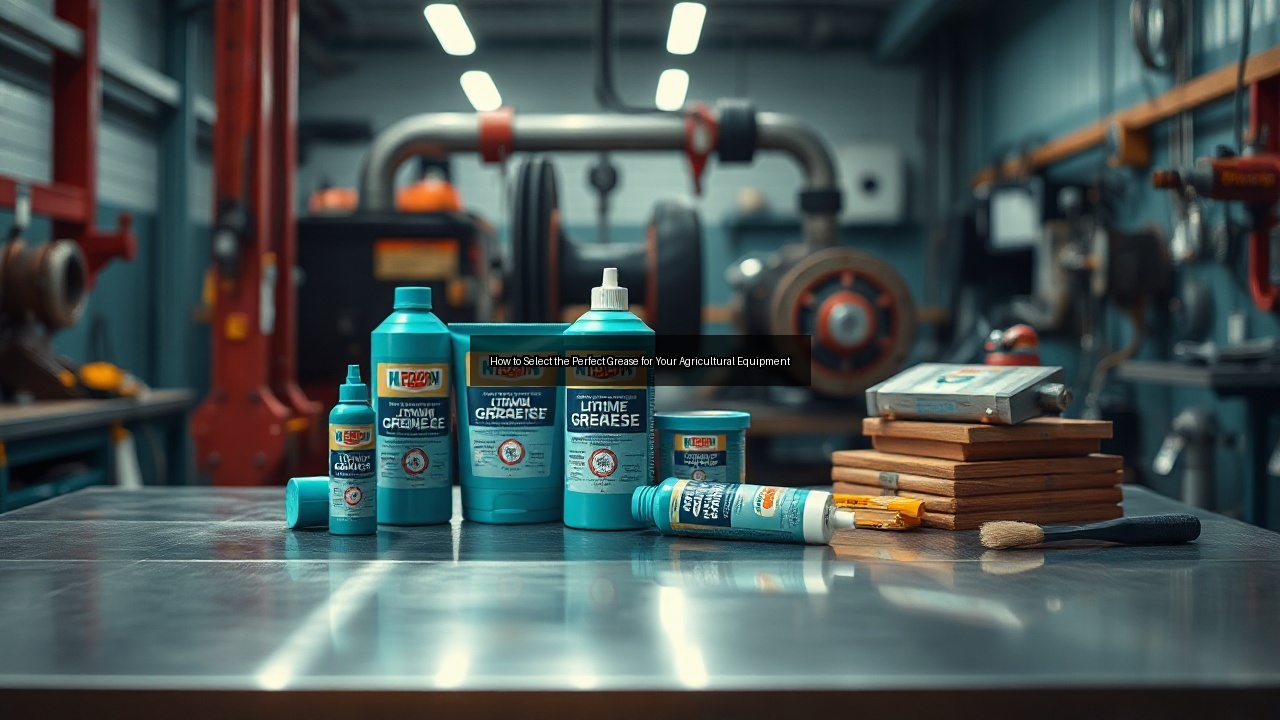
Bearings and wheel bearings play a pivotal role in the smooth operation of agricultural machinery. Selecting the right grease for these components involves considering factors such as load capacity, temperature range, and environmental conditions. Lithium grease stands out as a popular choice due to its excellent water resistance and temperature stability. It provides effective lubrication for both bearings and wheel bearings, ensuring that these critical components function optimally. Additionally, silicone grease lubricant offers unique advantages, especially in applications where high temperatures or moisture may be present. Always refer to the equipment manufacturer's recommendations when choosing grease for bearings to avoid premature wear and ensure reliable operation.
The Role of Lithium and Silicone Grease in Agriculture
Lithium grease is widely recognized for its versatility and performance in agricultural settings. Its high dropping point and resistance to water make it ideal for a variety of applications, from lubricating wheel bearings to protecting equipment exposed to harsh weather conditions. This grease can accommodate a range of temperatures, allowing it to perform effectively in both hot and cold environments. Conversely, silicone grease offers unique benefits for specific applications. It excels in high-temperature scenarios and provides excellent resistance to water and oxidation. Silicone lubricant is particularly useful for plastic gears and rubber components, as it does not degrade these materials. Understanding the properties of lithium and silicone greases allows farmers to make informed choices tailored to their equipment needs.
Application and Maintenance of Lubricant Grease
How to Apply Grease Effectively to Machinery
Applying lubricant grease effectively ensures that machinery operates smoothly and efficiently. Begin by cleaning the grease fittings and surrounding areas to prevent contamination. Use a grease gun to apply the appropriate amount of grease to each fitting. Ensure that you use the correct type of grease specified by the manufacturer to avoid incompatibility issues. For bearings, apply grease until you notice it oozing out of the seals, indicating adequate lubrication. Avoid over-greasing, as this can lead to excessive heat and pressure buildup. Regularly check grease levels and apply as necessary, especially in high-use equipment. Use a brush or aerosol can for hard-to-reach areas, ensuring that every component receives proper lubrication.
Best Practices for Grease Maintenance and Service Intervals
Establishing a grease maintenance schedule is vital for ensuring the longevity of agricultural equipment. Regularly inspect machinery and components to determine lubrication needs. Create a service log to track maintenance tasks, including the type and quantity greases formulated to protect industrial equipment of grease applied. Follow the manufacturer’s recommendations for service intervals, which may vary based on equipment usage and environmental conditions. In high-moisture environments, consider more frequent lubrication to combat washout. Always check for signs of wear or damage during maintenance, as early detection can prevent costly repairs down the line. Practice preventive maintenance to enhance uptime and efficiency, keeping operations running smoothly.
Common Mistakes to Avoid in Grease Application
Several common mistakes can undermine the effectiveness of lubricant grease application. One major error is using the wrong type of grease for specific applications, which can lead to incompatibility and reduced performance. Another mistake involves inadequate cleaning of fittings and machinery prior to grease application, allowing contaminants to enter and compromise lubrication. Over-greasing is another frequent issue; applying too much grease can create excessive heat and pressure, causing seals to fail. Additionally, ignoring the manufacturer’s guidelines for service intervals can lead to premature wear. Educating yourself about these pitfalls can ensure that your equipment remains well-lubricated and operates efficiently.
Advanced Grease Technologies for Enhanced Performance
High-Performance Options for Demanding Grease Points
High-performance greases have emerged to meet the needs of modern agricultural machinery operating under demanding conditions. These advanced formulations often incorporate synthetic base oils combined with specialized thickeners to provide superior lubrication and protection. They excel in high-load applications and can withstand extreme temperatures, ensuring that critical components remain protected under stress. Look for products that offer enhanced adhesion to surfaces, reducing washout and promoting longer intervals between applications. For farmers who rely on heavy machinery, investing in high-performance grease options can lead to significant improvements in equipment reliability and efficiency.
Solutions for Cooler-Running Bearings and Reduced Wear
Reducing wear and keeping bearings cooler is essential for maintaining the performance of agricultural equipment. Innovative grease formulations now include advanced thickeners and additives that improve thermal stability and reduce friction. These solutions help dissipate heat more effectively, preventing overheating and extending the life of bearings. Additionally, some products incorporate micro-particles designed to fill surface imperfections, further reducing wear. By selecting greases engineered for cooler operation, farmers can enhance the performance of their equipment and minimize downtime caused by bearing failures.
Innovative Formulations for Extreme Conditions
Extreme operating conditions, such as high moisture, dust, greases formulated to protect industrial equipment and temperature variations, demand specialized grease formulations. Manufacturers now offer products designed specifically for these challenges, utilizing advanced chemistry to enhance performance. These greases often include water-resistant additives and friction modifiers that enhance performance in adverse environments. For example, marine-grade greases provide reliable protection against corrosion and rust, making them suitable for equipment exposed to water. By choosing innovative formulations that cater to extreme conditions, farmers can ensure their machinery remains efficient and resilient, ultimately leading to increased productivity on the farm.