The Future of Electropolishing in the Stainless Steel Industry
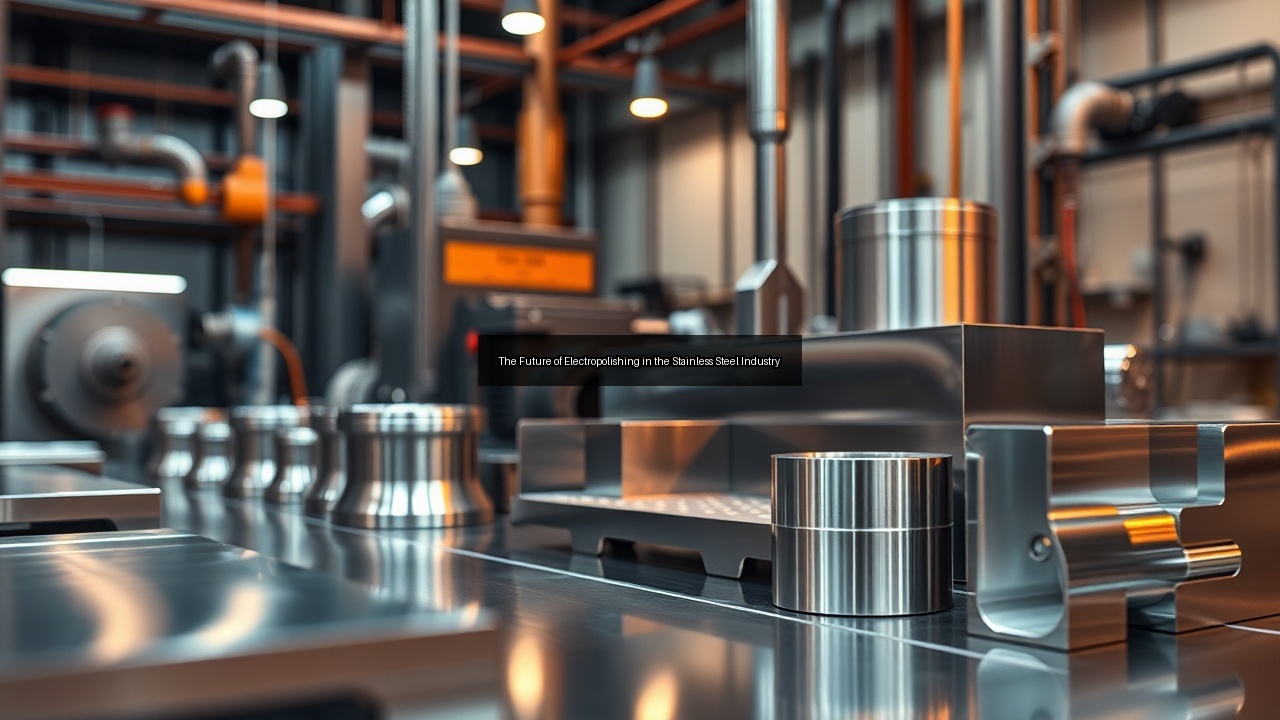
Overview of Electropolishing in the Stainless Steel Industry
What is Electropolishing?
Electropolishing stands out as a critical process in the stainless steel industry, offering a unique method for enhancing the properties of metals. This electrochemical technique removes material from the surface of stainless steel components, resulting in a smoother, shinier finish. The process involves immersing stainless steel in an electrolytic solution, where a direct current flows through the solution, effectively polishing the surface while simultaneously removing contaminants. Unlike traditional mechanical polishing, electropolishing enhances the metal's surface at a microscopic level, leading to improved corrosion resistance and a more aesthetically pleasing appearance. This method is particularly effective for high-alloy stainless steels, such as 316L, commonly used in various industries due to its superior properties.
Importance of Electropolishing for Stainless Steel Products
Electropolishing plays an essential role in the stainless steel industry, particularly for manufacturers seeking to meet stringent standards for surface quality. By eliminating surface imperfections and contaminants, electropolishing enhances the overall quality of stainless steel products. The resulting surface finish not only improves the visual appeal but also optimizes the material's performance, particularly in corrosive environments. Industries such as food processing, pharmaceuticals, and aerospace rely on electropolished stainless steel to ensure product integrity and compliance with hygiene regulations. Electropolishing also reduces the risk of particles adhering to surfaces, which is crucial in applications involving sensitive materials or processes, such as in the semiconductor industry.
Common Applications of Electropolishing in Industries
Electropolishing finds its applications across various sectors, thanks to its ability to enhance the properties of stainless steel. In the pharmaceutical industry, electropolished stainless steel equipment ensures compliance with strict cleanliness standards, preventing contamination during manufacturing processes. The food processing sector also benefits from electropolished surfaces, which facilitate easier cleaning and reduce the risk of bacterial growth. Other notable applications include medical devices, where corrosion resistance and biocompatibility are paramount, and aerospace components, where weight reduction and surface quality directly impact performance. The versatility of electropolishing stainless steel services makes it indispensable in industries that demand the highest quality standards for their materials.
Benefits of Electropolishing Stainless Steel
Enhanced Corrosion Resistance
One of the most significant advantages of electropolishing stainless steel lies in its ability to enhance corrosion resistance. The process removes free iron and other contaminants from the surface, which can lead to rust and corrosion if left untreated. By creating a smooth, passivated layer, electropolishing significantly improves the metal's resistance to harmful environmental factors, such as moisture and oxygen. This improvement is particularly vital for industries operating in harsh conditions, such as chemical processing and marine applications. With electropolished stainless steel, manufacturers can expect longer-lasting products and reduced maintenance costs, ultimately leading to improved operational efficiency.
Improved Surface Finish
Electropolishing delivers a superior surface finish that enhances the aesthetic appeal of stainless steel products. Unlike traditional polishing methods, which can leave scratches or other imperfections, electropolishing results in a mirror-like finish that is both smooth and visually striking. This improved surface finish is not just about appearance; it also contributes to the material's functionality. A smoother surface reduces friction and wear, making electropolished components ideal for high-performance applications. Additionally, the polished finish minimizes the adhesion of contaminants, which is crucial in industries where cleanliness is paramount. As a result, manufacturers benefit from both enhanced product appeal and improved operational performance.
Impact on Product Longevity and Performance
The benefits of electropolishing extend beyond aesthetics and corrosion resistance. By improving the overall surface quality, electropolishing enhances the longevity and performance of stainless steel products. Components that undergo this treatment experience less wear and tear, which translates into longer service life and reduced frequency of replacements. In critical applications, such as those found in the aerospace and medical fields, the reliability of electropolished stainless steel components can mean the difference between success and failure. Manufacturers who invest in electropolishing stainless steel services secure a competitive edge by delivering products that meet high standards of durability and performance.
Electropolishing Process and Techniques
Step-by-Step Electropolishing Process
The electropolishing process involves several well-defined steps to achieve optimal results. Initially, manufacturers clean the stainless steel components to remove any dirt, grease, or old contaminants. This pre-treatment step ensures that the electropolishing process targets only the unwanted surface layers. Next, the components immerse in an electrolytic bath containing a suitable electrolyte solution, often composed of phosphoric acid or sulfuric acid mixed with other chemicals. The electrical current applied during this phase facilitates the removal of the surface material, creating a smooth finish. After a predetermined duration, the components are removed from the bath, thoroughly rinsed, and dried to prepare them for use. This systematic approach ensures consistent results, making electropolishing a reliable choice for manufacturers.
Role of Electrolytes in Electropolishing
Electrolytes play a pivotal role in the electropolishing process, directly influencing the quality of the final surface finish. The choice of electrolyte affects the rate of material removal, the uniformity of the surface finish, and the overall effectiveness of the polishing process. Common electrolytes used in electropolishing stainless steel include phosphoric acid, sulfuric acid, and a combination of both. Each electrolyte has its unique properties that can enhance specific characteristics of the stainless steel, such as corrosion resistance and surface smoothness. Manufacturers often adjust the concentration and temperature of the electrolyte to optimize the process for different grades of stainless steel, ensuring that the properties of the final product meet industry standards.
Innovations in Electropolishing Technology
Advancements in electropolishing technology electro polishing continue to shape the future of stainless steel processing. Innovations such as automated systems and enhanced electrolyte formulations improve efficiency and consistency in electropolishing services. Automation reduces human error and speeds up the process, allowing manufacturers to handle larger batches of components without sacrificing quality. Additionally, new eco-friendly electrolytes are emerging, aligning with sustainability goals while maintaining effective polishing capabilities. These technological developments not only streamline the electropolishing process but also enhance the environmental footprint of stainless steel manufacturing. As the industry evolves, embracing these innovations will become essential for maintaining competitive advantages.
Future Trends and Challenges in Electropolishing Services
Advancements in Engineering and Manufacturing
The future of electropolishing in the stainless steel industry hinges on continued advancements in engineering and manufacturing practices. As industries demand higher precision and quality, electropolishing services must evolve to meet these expectations. Manufacturers are increasingly incorporating advanced robotics and AI-driven technologies to enhance the efficiency of the electropolishing process. These innovations allow for precise control over various parameters, including current density and electrolyte composition, leading to more consistent results. Additionally, the integration of data analytics helps identify trends and areas for improvement in the electropolishing process, enabling manufacturers to refine their operations and enhance product quality.
Sustainability and Environmental Considerations
Sustainability is a driving force in the stainless steel industry, influencing the future of electropolishing services. As environmental regulations become more stringent, manufacturers must adopt eco-friendly practices. Innovations in electrolytes, such as biodegradable and less toxic options, are becoming increasingly popular, allowing for efficient polishing without harming the environment. Furthermore, companies are exploring closed-loop systems that recycle electrolytes, reducing waste and conserving valuable resources. By prioritizing sustainability in electropolishing processes, manufacturers not only comply with regulations but also appeal to environmentally conscious consumers, ensuring long-term viability in the market.
Market Demand for Electropolished Stainless Steels
The demand for electropolished stainless steels is on the rise, driven by the increasing need for high-performance materials across various industries. As sectors such as healthcare, food processing, and electronics expand, the requirements for corrosion resistance and surface quality intensify. Manufacturers that specialize in electropolishing stainless steel services are well-positioned to meet this growing demand. They must remain agile and responsive to market trends while maintaining the quality that customers expect. By investing in research and development, companies can innovate and enhance their offerings, ensuring they remain competitive in a rapidly evolving landscape.
See Also
- Choosing the Right Electropolishing Service for Your Stainless Steel Needs
- The Science Behind Electropolishing and Its Impact on Corrosion Resistance in Stainless Steel
- Unlocking the Benefits of Electropolishing for Superior Stainless Steel Products
- What to Look for in an Electropolishing Manufacturer